
By the Pressure Washing Clean team · Published November 4, 2026 · Updated November 4, 2026
Dumpster pad cleaning removes grease, food waste and odor from the concrete around a restaurant dumpster. In Tampa, it helps you meet Florida food rules and keeps dirty wash water out of storm drains. Most restaurants in North Tampa, Lutz and Wesley Chapel need it monthly, and fryer-heavy kitchens need it more often.
Want a walkthrough of your dumpster area? Call (813) 808-6692 or request a free written estimate. We work 8am to 8pm, seven days a week.
A dirty dumpster pad can hurt you on an inspection and draws rats and flies to your back door. Its runoff can also carry grease and food waste into storm drains, which local rules ban. Regular dumpster pad cleaning lowers all three risks at once and makes the back of the house smell better.
Tampa heat speeds up the mess. Food waste breaks down fast in summer, and grease turns soft and spreads. NWS Tampa Bay says the local rainy season runs from about May 25 to October 10.
Afternoon storms then wash anything left on the pad toward the nearest drain. In this guide, the pad is the concrete slab under the container. The enclosure is the wall or fence and gates around it.
Florida adopts Chapter 5 of the 2017 FDA Food Code, which covers outdoor refuse areas at restaurants. The code requires a smooth, nonabsorbent surface that drains, plus tight-fitting lids on outdoor containers. It also says the refuse area and enclosure must be kept clean and free of unnecessary items.
The DBPR Division of Hotels and Restaurants licenses and inspects public food service establishments in Florida. DBPR stands for the Department of Business and Professional Regulation.
Florida rule 61C-1.001 defines "Food Code" to include Chapter 5 of the 2017 FDA Food Code. The state adopts that edition by reference. So the refuse sections below apply to Florida restaurants.
These sections sit in Part 5-5 of the FDA Food Code 2017. We quote short phrases and sum up the rest.
The code sets no fixed cleaning schedule for the pad. It asks for a clean area, and inspectors judge what they see. That is why our schedule table below is practical advice, not a rule.
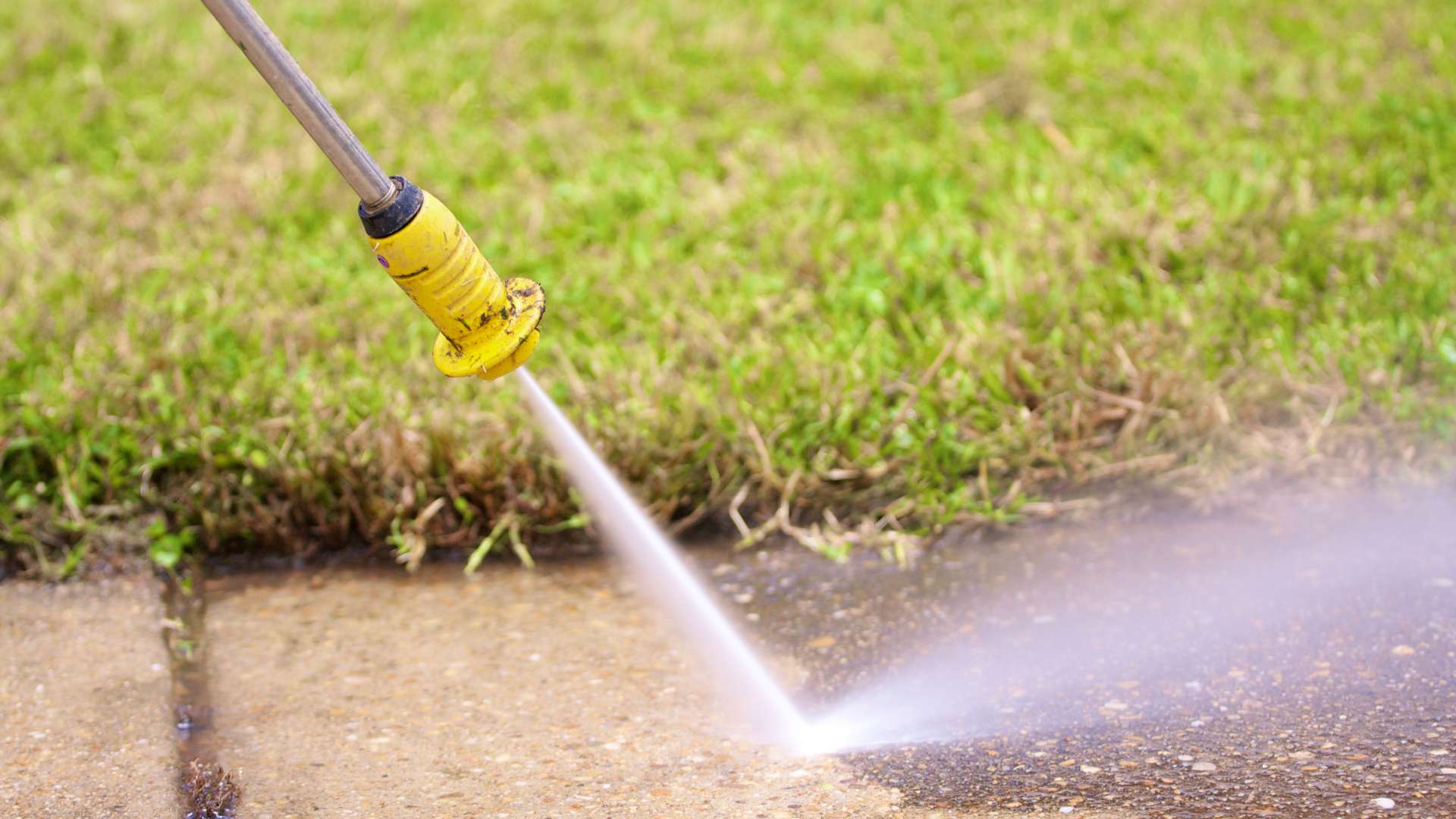
No, because the City of Tampa says local ordinances make it illegal to put any pollutant into the storm sewer. Pasco County bans any non-exempt discharge other than stormwater to its storm system. Greasy pad wash water is not on the exempt list, so it must stay out of storm drains.
The City of Tampa defines an illicit discharge as putting or directing any material into the stormwater system. Its page lists the City Stormwater Department at (813) 274-3101. It also lists the Hillsborough County Environmental Protection Commission at (813) 627-2600.
Wesley Chapel is in unincorporated Pasco County. Pasco County code section 902.1 bans non-exempt discharges other than stormwater to the county storm system. The exempt list covers items like lawn watering and residential car washing, not commercial pad wash water.
Section 902.1 also sets duties once a problem is found. The responsible person must report an illicit discharge by phone within 12 hours. Written notice must follow within 48 hours.
An EPA stormwater fact sheet from 2021 names "waste from restaurants" as a common illicit discharge. It also points cities to fact sheets for managing restaurants and pressure washers. Both groups are on regulators' radar.
Grease that leaves your property can harden in pipes and block them. A 2004 EPA report found grease is the most common cause of reported sewer blockages, at 47 percent. Grease bins, leaking bags and greasy pad runoff all add to that load, so keeping grease contained protects the sewer.
FOG stands for fats, oils and grease. An EPA food service FOG fact sheet from 2012 cites that 2004 report for the 47 percent figure. It also says one restaurant can produce 800 to 17,000 pounds of grease a year.
A grease interceptor is a tank that catches grease before kitchen water reaches the sewer. The City of Tampa Wastewater Department runs a Grease Management Ordinance. Its compliance deadlines page gives 72 hours to fix a violation for missed interceptor pumping.
Dumpster pad cleaning does not replace interceptor pumping, because the two jobs work together. Pumping handles grease inside the plumbing, and pad cleaning handles grease spilled outside. Outside city limits, ask your sewer provider which grease rules apply.
A greasy pad gives rats and flies food and moisture, and UF/IFAS says house flies have adapted well to garbage. In warm weather, a fly can go from egg to adult in as little as seven to ten days. So a pad left dirty for two weeks in July can breed a new generation.
The UF/IFAS house fly profile, revised in 2023, adds more detail. A female can lay up to 500 eggs. The profile also links flies to germs such as Salmonella and Shigella.
Rodents use the same food source. Torn bags, open lids and scraps behind the container feed them every night. The Food Code asks for container cleaning often enough to avoid drawing insects and rodents.
Cleaning alone will not solve a pest problem. Keep lids shut, keep drain plugs in and pick up dropped bags the same day. Work with your licensed pest control company on traps near the enclosure.
A professional crew clears loose debris, blocks nearby storm drains and applies a degreaser to break down grease. Next, they wash the pad, walls and gates with hot water under pressure. Last, they rinse and manage the wash water so none reaches a storm drain, all timed around your service hours.
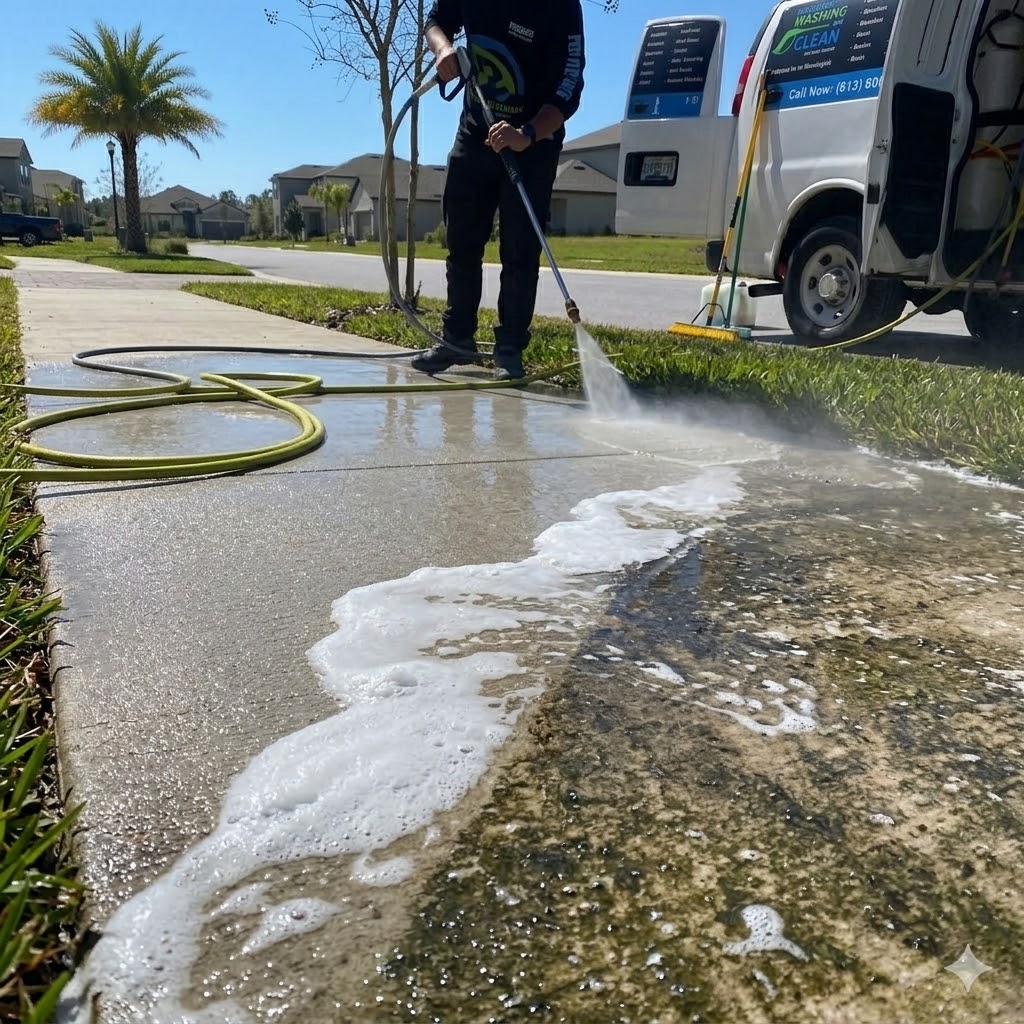
The crew picks up loose trash, broken pallets and scraps. They check drain plugs and note damaged lids. They also find every storm drain inlet nearby before any water flows.
Wastewater recovery means collecting dirty rinse water instead of letting it run off. Crews may use drain covers, berms and vacuum recovery, and methods vary by company and site. Ask your contractor how they will contain and dispose of the water at your location.
A degreaser is a cleaning chemical that loosens fats and oils. The crew lets it sit for a short "dwell time" on grease spots. This lets the product work, so less pressure is needed.
Hot water melts grease that cold water only pushes around. The crew washes from the back wall toward the collection point. They also clean enclosure walls and gates, because grease splashes there too.
The crew rinses the area and collects the water as planned. They check for missed spots and remove drain covers. The pad should look even, with no slick film underfoot.
Pressure Washing Clean is a licensed general contractor and fully insured. Our technicians are trained and certified through the Doug Rucker School program. See our restaurant pressure washing services for all back-of-house work.
Most restaurants do well with monthly dumpster pad cleaning, but fryer-heavy kitchens need it every two to four weeks. Coffee shops and bakeries can often wait two to three months. These ranges are practical guidance, not a legal rule, because your inspector judges the actual condition.
| Restaurant type | Typical waste | Suggested pad cleaning |
|---|---|---|
| Fryer-heavy kitchens (chicken, wings, seafood) | High grease, heavy bags | Every 2 to 4 weeks |
| Full-service restaurants | Mixed food waste, some grease | Monthly |
| Fast casual and quick service | Packaging and food scraps | Monthly |
| Bars with a small kitchen | Bottles, light food waste | Every 1 to 2 months |
| Coffee shops and bakeries | Grounds, dairy, paper | Every 2 to 3 months |
| Shared plaza enclosures | Heavy, mixed, hard to control | Every 2 to 4 weeks |
Adjust for the season, because summer heat and the rainy season make grease and odor worse. Consider moving up one step from May to October. Clean sooner after a spill, a pest sighting or an inspection note.
Location matters too. A pad in full sun on Bruce B. Downs Boulevard bakes harder than a shaded one. A shared enclosure behind a busy Dale Mabry Highway plaza fills faster than a private one.
Staff can keep the dumpster area under control with a few daily habits. Close every lid, double-bag wet or greasy waste and pick up spills the same shift. Never pour grease or mop water on the pad, and store used fryer oil only in its own sealed bin.
Dry cleanup is safer than hosing between visits. Put a dry absorbent on fresh spills, then sweep it up and bag it. This keeps liquid out of storm drains.
Ask whether the company is licensed and insured, and how it keeps wash water out of storm drains. Ask whether it uses hot water and a degreaser and can work around your service hours. Finally, ask for a written estimate after a site visit, so you know exactly what you are paying for.
Ask for proof of insurance before the first visit. A shared enclosure may also need landlord approval. If you run several stores, ask for one schedule that covers all of them.
Pressure Washing Clean handles commercial pressure washing for restaurants, property managers and HOAs. We serve Lutz, Wesley Chapel and greater Tampa Bay. Every job starts with a free written estimate.
In most cases the restaurant keeps the pad and enclosure clean, because the area serves its own kitchen. Your waste hauler may own the container, so check your hauler contract for who cleans it. A lease may also assign the enclosure to the tenant or the landlord, so read that clause first.
Yes, but the work goes faster when the kitchen is closed or slow and staff stay clear of hoses. Early morning visits before prep starts often work well for busy restaurants. Pressure Washing Clean works 8am to 8pm, seven days a week, and plans visits around your service hours.
Cleaning removes the grease and food residue that cause most of the smell, so odor drops right after a visit. The smell comes back fast if bags leak or lids stay open in summer heat. Pair regular cleaning with closed lids, drain plugs in place and quick spill cleanup.
A degreaser made for commercial concrete is safe when the crew mixes it and rinses it the right way. Strong mixes left to dry in the sun can stain or etch some surfaces. A trained crew tests a small spot first and keeps all rinse water out of storm drains.
Inside Tampa city limits, call the City of Tampa Stormwater Department at (813) 274-3101. You can also call the Hillsborough County Environmental Protection Commission at (813) 627-2600. In unincorporated Pasco County, including Wesley Chapel, contact Pasco County, because its code requires quick reporting of illicit discharges.
Yes, Pressure Washing Clean is based in Lutz and serves Land O' Lakes, Wesley Chapel, Odessa and New Port Richey. We also cover Spring Hill, Clearwater, St. Pete and the rest of greater Tampa Bay. Call (813) 808-6692 to set up a free walkthrough for one or several locations.
Regular dumpster pad cleaning helps you pass inspections, cut pests and keep grease out of drains. Call (813) 808-6692 or request a free estimate for a site walk and written plan. New clients get 10% off through December 31, 2026.
Licensed, insured and Doug Rucker School trained. Free estimates for homes and businesses across North Tampa Bay.
